

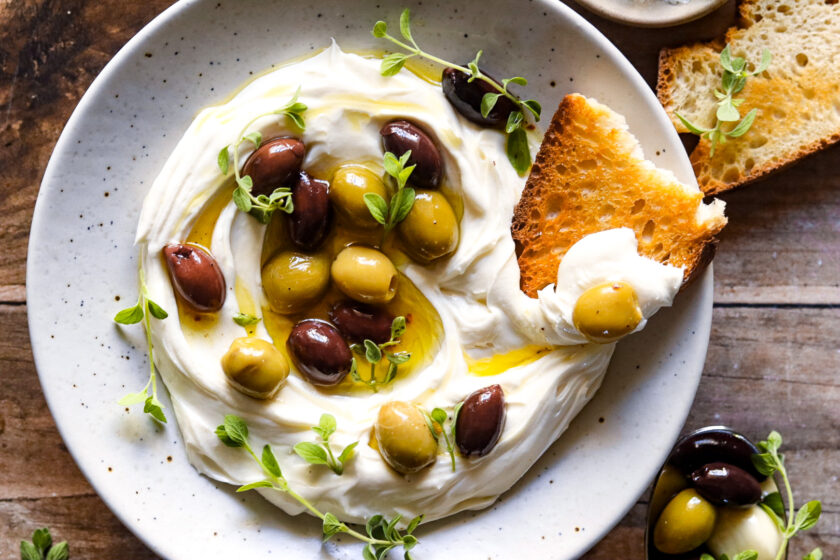
Anatolia’s Sacred Quartet: Olives, Cheese, Bread, and Yogurt
Anatolia’s Sacred Quartet, known as olives, cheese, bread, and yogurt, are the cornerstones
of the region’s rich cultural and agricultural heritage. Each of these has played a significant
role in the daily lives and dietary habits of the Anatolian people for centuries.
Olives are a symbol of the Mediterranean climate and are cultivated in many regions of
Anatolia. Olive trees have been valued for thousands of years for both their fruit and oil. Olive
oil is widely used in Turkish cuisine and is known for its numerous health benefits.
Cheese is another essential food found in almost every region of Anatolia, with various types
such as white cheese, tulum cheese, and kashar cheese, each produced using local
methods. Cheese is a staple of breakfast tables and is also used in many dishes.
Bread is perhaps the most fundamental element of Anatolia’s sacred quartet. In Anatolia,
bread is not just a food item but also a cultural symbol. Breads made from various grains are
baked in traditional stone ovens and are central to meals. The many types of bread reflect
the agricultural practices and local flavors of different regions in Anatolia.
Yogurt is one of Anatolia’s traditional dairy products and has been produced in the region for
thousands of years. Known for being healthy and nutritious, yogurt can be consumed plain or
used in cooking. Its fermented nature has beneficial effects on the digestive system, making
it a significant part of Anatolian cuisine.
These four foods represent the historical and cultural richness of Anatolia. Each one reflects
the region’s agricultural production capacity, climatic conditions, and the lifestyle of the local
people. Olives, cheese, bread, and yogurt hold a deep place in the culinary culture of
Anatolia, forming the foundation of the region’s cuisine.