

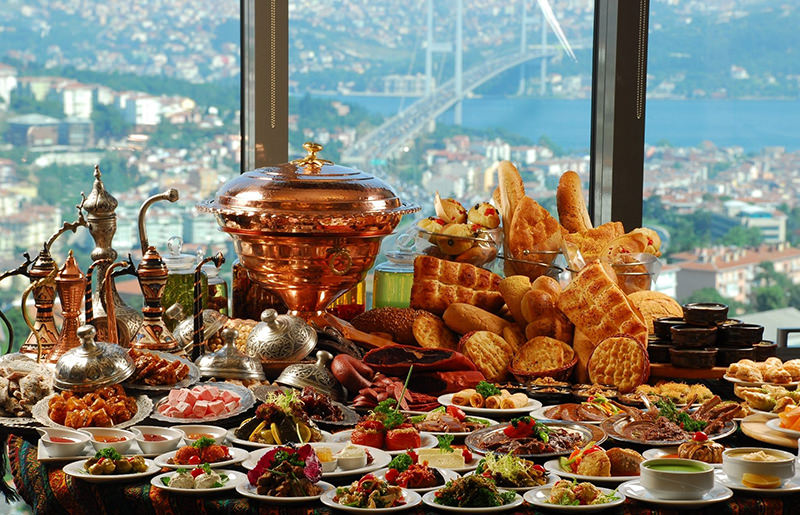
Cultural Influences That Make Turkish Cuisine Unique. Turkish cuisine is a treasure trove of flavors and diversity, captivating food lovers worldwide. But what cultural influences shaped this rich culinary tradition? Thanks to its millennia-old history and vast geography, Turkish cuisine carries traces of numerous cultures, from Central Asia to the Mediterranean, from the Persians to the Balkans.
The roots of Turkish cuisine lie in the nomadic lifestyle of Central Asia, where a diet rich in meat, dairy, and grains gave rise to traditional flavors like yogurt, cured meats and fermented mare’s milk. Over time, with the adoption of Islam, Arab and Persian culinary influences became more pronounced. The use of spices, saffron-infused rice dishes, and intricate desserts became integral to Turkish gastronomy.

With the conquest of Istanbul, Byzantine and Mediterranean culinary traditions introduced olive oil-based dishes, seafood, and an expanded range of sweets. The vast reach of the Ottoman Empire further enriched the cuisine, incorporating pastries and meat dishes from the Balkans, dough-based delicacies from the Caucasus, and even French pâtisserie techniques into the imperial kitchen. The Ottoman palace cuisine elevated these influences to new heights, creating globally renowned dishes.
Today, Turkish cuisine continues to preserve its cultural heritage while embracing both traditional and contemporary approaches. If you’re eager to explore the roots of Turkish flavors and engage in lively discussions while cooking, Zesty Cuisine offers the perfect culinary experience for you! Join us as we prepare dishes that carry history in every bite and delight the senses.